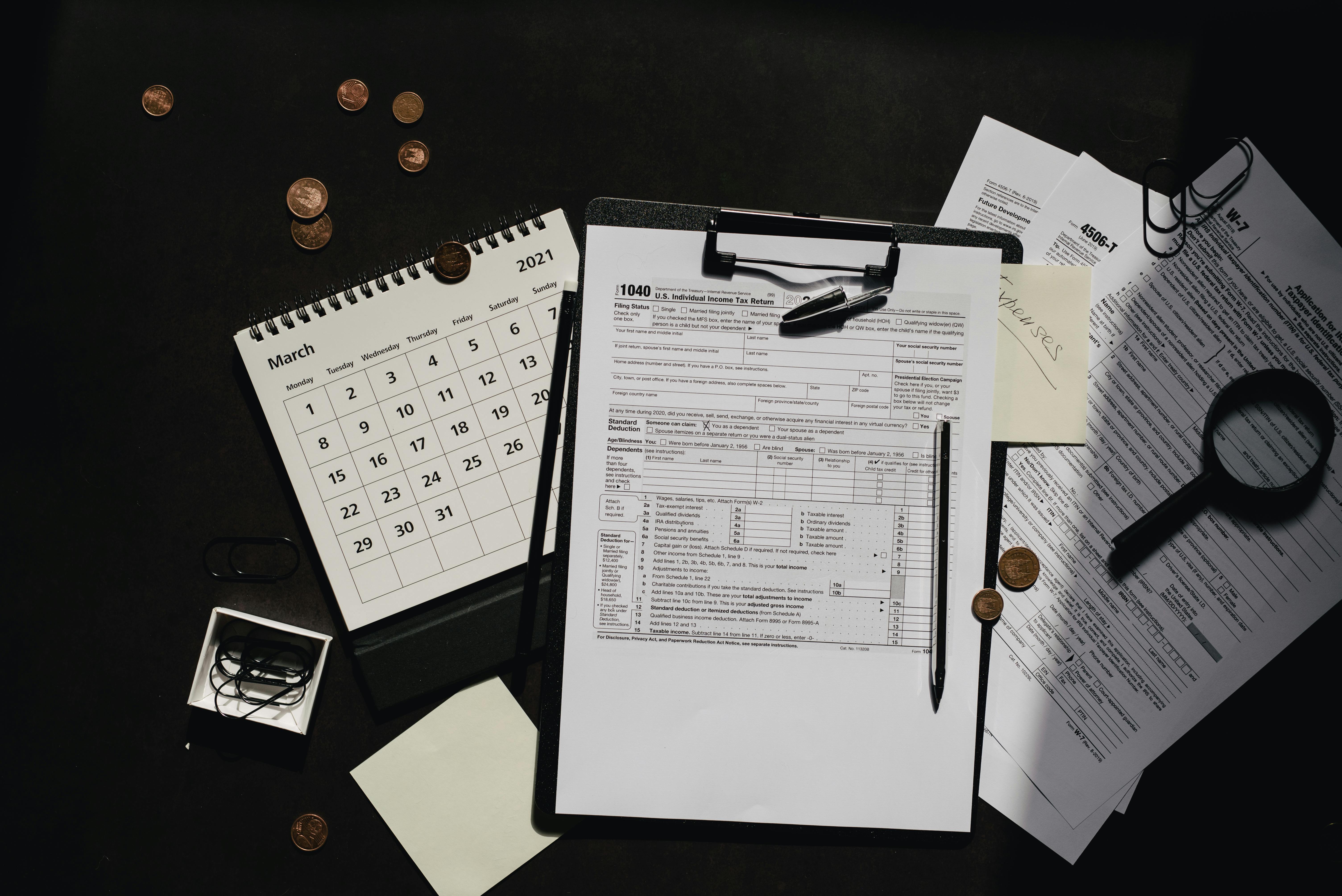


Introduction: Navigating Tax Season as a Small Business Owner
As a small business owner in Invergrove Heights, Minnesota, tax season can be an overwhelming time. With the 2026 tax season upon us, it's crucial to have a clear understanding of current regulations and best practices to ensure compliance and optimize your tax situation. This guide aims to provide practical insights and strategies tailored to small businesses, helping you navigate this complex landscape with confidence.
Understanding 2026 Tax Changes
The tax landscape is ever-evolving, and staying updated on changes is vital for small business owners. In 2026, several key changes affect small businesses:
- Updated Deductions: The IRS has revised the limits for certain deductions, such as business meals and vehicle expenses. Ensure you are claiming these deductions accurately by keeping detailed records.
- Digital Payment Reporting: New regulations require reporting of digital payment transactions exceeding $600. This change is crucial for businesses using platforms like PayPal or Venmo.
- Tax Credit Adjustments: The Work Opportunity Tax Credit (WOTC) and Employee Retention Credit have seen adjustments. Familiarize yourself with the qualifications to maximize these credits.
Step-by-Step Tax Preparation Guide
To streamline your tax preparation process, follow these steps:
1. Gather Necessary Documentation
Start by collecting all relevant financial documents. This includes income statements, receipts, previous tax returns, and 1099 forms. Organizing these documents in advance will save time and reduce stress.
2. Leverage Accounting Software
Utilize accounting software such as QuickBooks or Xero to track your finances. These tools can simplify the process of generating reports and identifying deductible expenses.
3. Identify Eligible Deductions
Review your expenses to identify potential deductions. Common deductions for small businesses include home office expenses, travel costs, and office supplies. Consulting with a tax professional can help ensure you don't miss out on valuable deductions.
4. Consider Hiring a Tax Professional
While DIY tax preparation is an option, hiring a professional can offer peace of mind. A tax advisor can provide personalized advice and ensure compliance with the latest tax laws.
Best Practices for Small Business Tax Planning
Effective tax planning is an ongoing process. Here are some best practices to adopt:
Maintain Accurate Records
Consistently update your financial records. Accurate records not only assist in tax preparation but also provide insights into your business's financial health.
Plan for Estimated Taxes
If your business makes quarterly estimated tax payments, project your income and expenses throughout the year. This proactive approach can prevent underpayment penalties.
Review Your Business Structure
Consider if your current business structure (e.g., LLC, S-Corp) is still the most tax-efficient option. Changes in revenue or business goals may necessitate a reevaluation.
Conclusion: Proactive Tax Management for Success
By understanding the latest tax changes and implementing these best practices, small business owners in Invergrove Heights can approach the 2026 tax season with confidence. Whether you're managing your taxes independently or with the help of a professional, staying informed and organized is key to minimizing liability and maximizing your business's financial success.
For personalized advice and expert tax preparation services, consider reaching out to KTS Tax. Our team is here to support you through every step of the tax process, ensuring you can focus on what you do best - running your business.